


CAF
The Clara Anna Fontein development is based on the principles of an Eco-Lifestyle Estate in a secure environment.
The vision is to create a balance between conservation and development and all efforts are being made to ensure
harmonious co-existence to create a sustainable residential neighbourhood with open spaces, community facilities,
commercial activities, a retirement village and schooling facilities situated on the NW urban edge of Durbanville.
Environmental Sites

$125/Night
Standard Room

$220/Night
Deluxe Room

$275/Night
Presidential Suite

$315/Night
Honeymoon Suite

$345/Night
Bungalow Suite

$380/Night
Skyline Room

$420/Night
Penthouse Suite

$475/Night
Honeymoon Suite
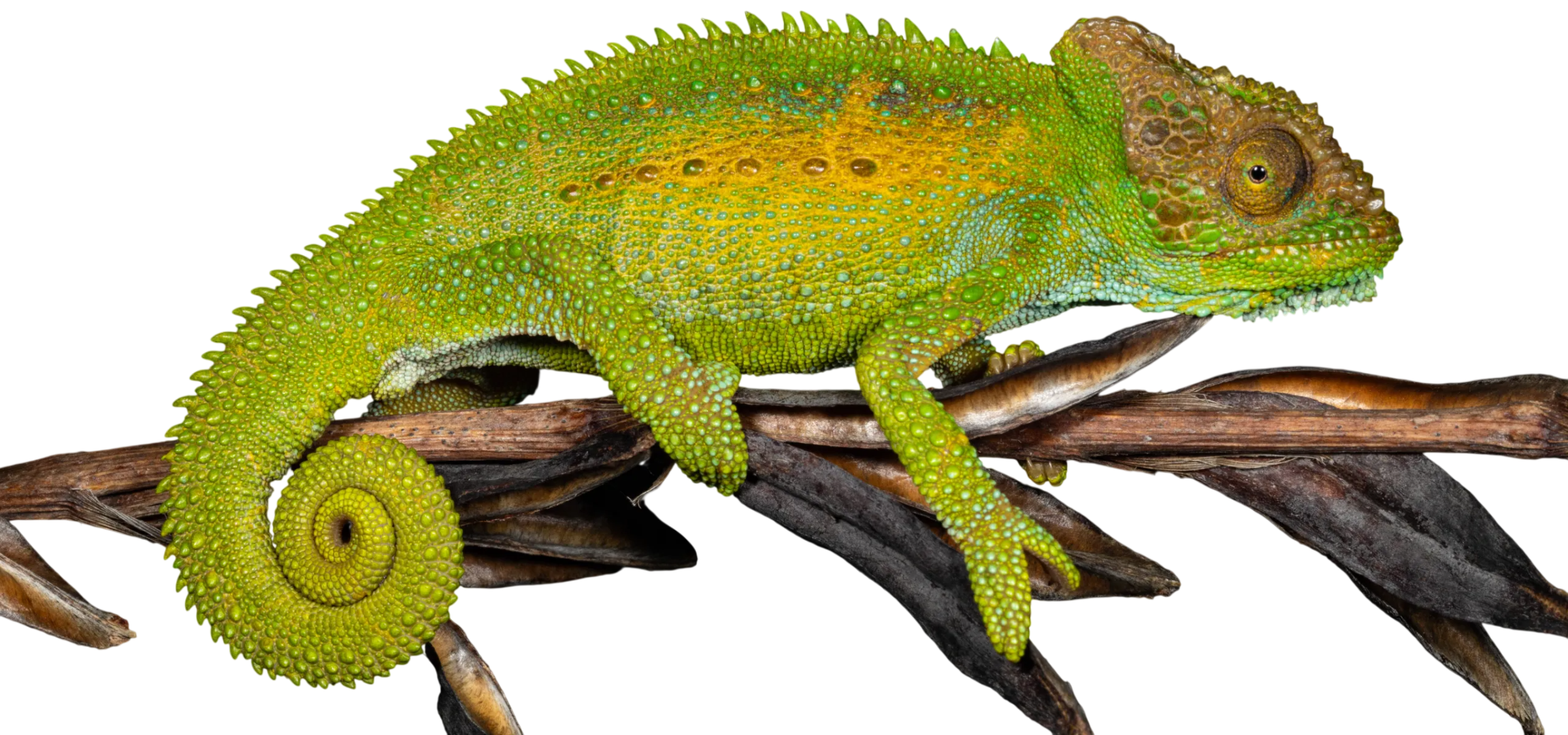
Cape Dwarf Chameleon
Bradypodion pumilum is a small, slow moving chameleon found in fynbos, gardens, and coastal vegetation around the Western Cape. Males are brightly coloured with green, yellow, and blue hues, while females are usually more subdued. They are excellent climbers and can change colour for camouflage, temperature regulation, and communication. Primarily insectivorous, feeding on small insects and spiders.
They are native and endemic to the Western Cape, diurnal, not dangerous, not common, and they are a threatened species – view IUCN red list (NT)
Fun Fact!
Cape Dwarf Chameleons can move their eyes independently, allowing them to look in two different directions at once while hunting insects, making them excellent little ambush predators!
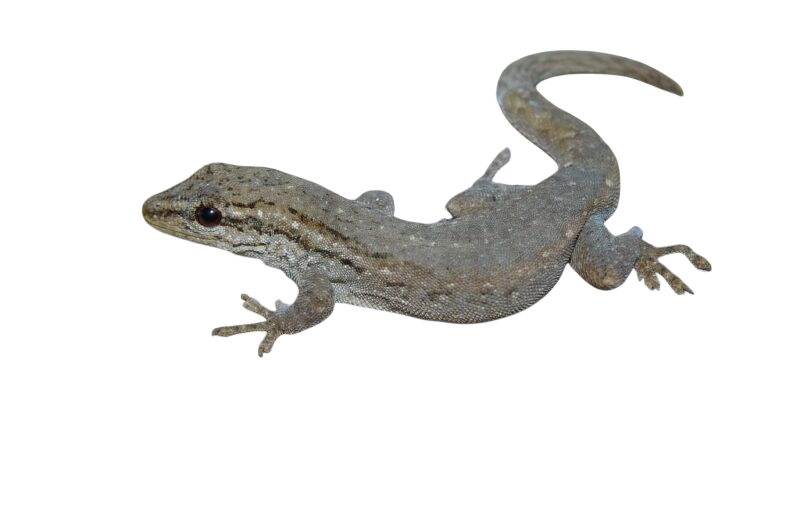
Common Dwarf Gecko
Lygodactylus capensis is a tiny, agile gecko found throughout southern Africa. It has a slender body, typically grey or brown with subtle stripes or spots, and sticky toe pads that allow it to climb smooth surfaces with ease. Active during the day, it feeds on small insects and spiders. Often seen on tree trunks, walls, or garden plants, it is harmless to humans and plays a key role in controlling insect populations.
They are native to South Africa but not endemic, diurnal, not dangerous, common and they are not a threatened species – view IUCN red list (LC)
Fun Fact!
Common dwarf geckos have the ability to change the colour of their skin slightly to help belnd into their surroundings, making them tricky to spot on tree branches or walls!
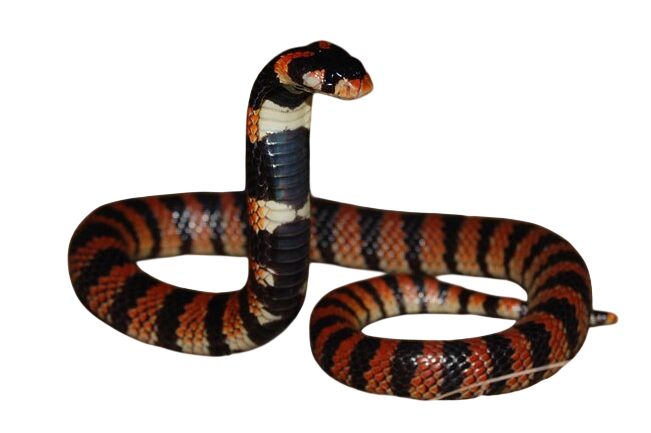
Cape Coral Snake
Aspidelaps lubricus is a small, slender, venomous snake. It has a distinctive reddish brown body with black and yellow bands, giving it a “coral-like” appearance. Typically secretive, it hides under rocks, leaf litter, or in burrows during the day. Feeds mainly on small lizards, frogs, and occasionally other snakes. Despite its venom, it is not aggressive and bites humans only if provoked.
They are native to South Africa but not endemic, nocturnal, dangerous if provoked, secretive and they are not a threatened species – view IUCN red list (LC)
Fun Fact!
The Cape Coral Snake is a mild mannered night hunter, it often uses its bright banded pattern as a warning to predators, but mostly relies on hiding and quick strikes to catch small prey like lizards and frogs!
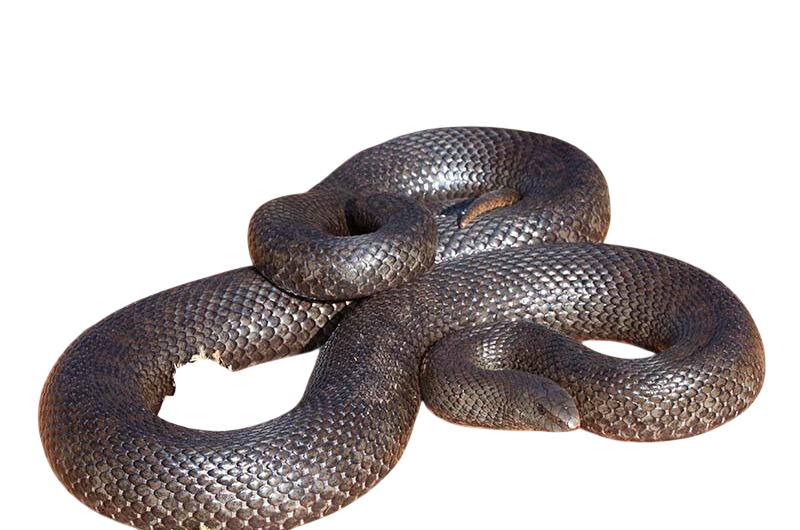
Mole Snake
Pseudaspis cana is a large, non-venomous snake native to southern Africa, recognised by its smooth, glossy scales that range from brown to grey, sometimes almost black. It spends much of its time underground, hunting rodents, birds, and eggs, but can also be seen above ground. Despite its size and strong defensive hiss, it is harmless to humans and plays an important role in controlling pest populations.
They are native to South Africa but not endemic, diurnal, not dangerous, fairly common and they are not a threatened species – view IUCN red list (LC)
Fun Fact!
Mole Snakes are excellent burrowers, they can chase burrowing rodents underground and they are often mistaken for venomous snakes because of their size and defensive hissing!
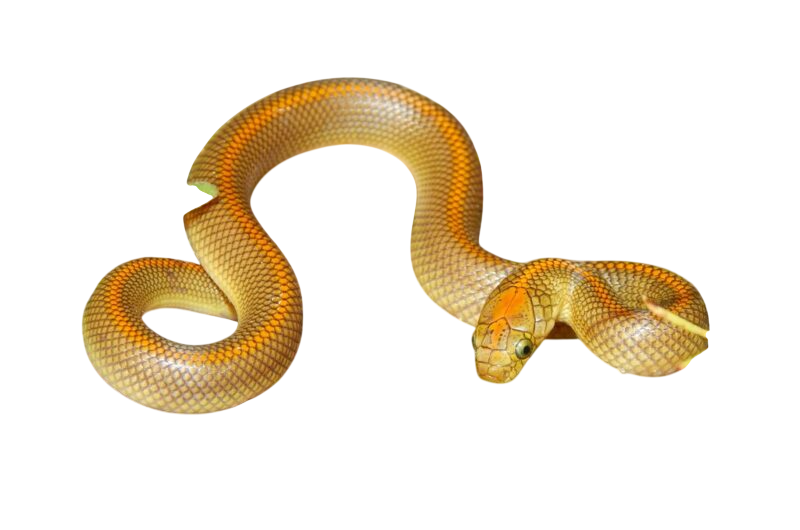
Aurora House Snake
Lamprophis aurora is a small to medium sized, non-venomous snake found in southern Africa. It has a slender body with smooth scales, typically brown, grey, or reddish with subtle patterning. It often hides under rocks, logs, or in crevices during the day. Feeds mainly on small rodents, lizards, and frogs, making it a helpful predator around homes and gardens.
They are native to South Africa but not endemic, nocturnal, not dangerous, secretive, and they are not a threatened species – view IUCN red list (LC)
Fun Fact!
Aurora House Snakes are great at controlling rodent populations around homes, making them helpful “natural pest controllers” despite being rarely seen because of their secretive, nocturnal habits.
Discover exclusive offers at our hotel, from discounted stays to unique packages designed for a memorable experience. Enjoy added perks and make your stay unforgettable.
What We Offer
Copyright © 2026. All rights reserved.