


CAF
Mammals
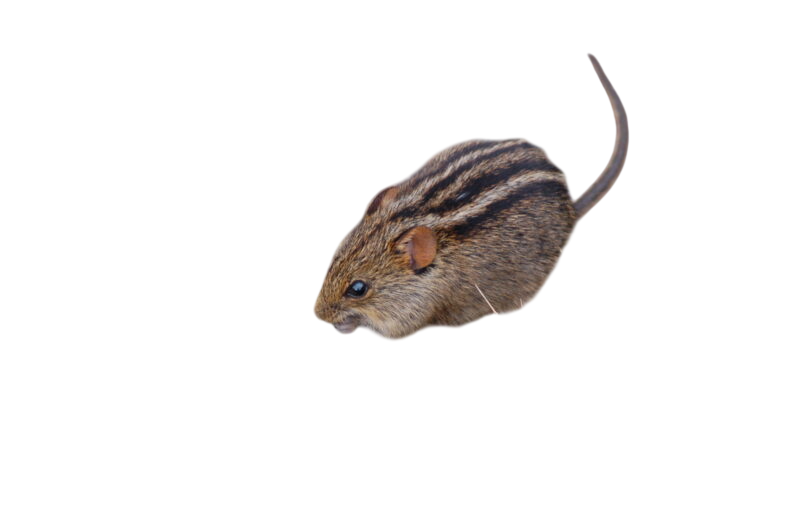
Cape Four-striped Grass Mouse
Rhabdomys pumilio is a small, active rodent with four distinctive dark stripes running down its back. Found in grasslands, fynbos, and gardens, it is mainly diurnal, foraging for seeds, insects, and small plants. Highly social, it often lives in small family groups and is an important prey species for birds of prey, snakes, and small carnivores.
They are native to South Africa but not endemic, diurnal, not dangerous, not common, and they are not a threatened species – view IUCN red list (LC)
Fun Fact!
Cape Four-striped Grass Mice are highly social creatures and often live in small family groups, communicating with squeaks and tail movements to warn each other of predators!
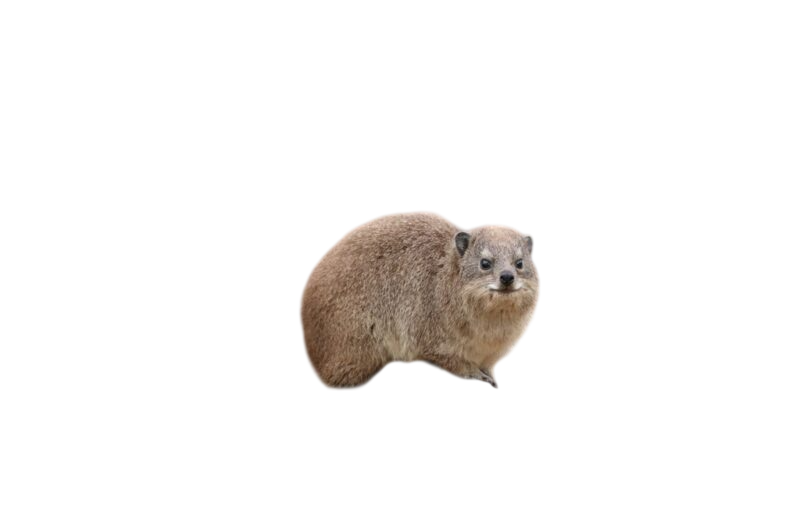
Cape Rock Hyrax
Procavia capensis is a small, sturdy mammal with brown grey fur and short limbs, often seen basking on sunlit rocks. Despite its rodent like appearance. Lives in colonies on rocky outcrops, feeding mainly on grasses, leaves, and bark. Known for its high-pitched alarm calls to warn the group of predators.
They are native to South Africa but not endemic, diurnal, not dangerous, common and they are not a threatened species – view IUCN red list (LC)
Fun Fact!
Cape Rock Hyraxes have specialized rubbery pads on their feet that help them grip rocky surfaces, allowing them to climb steep cliffs and escape predators with surprising agility!
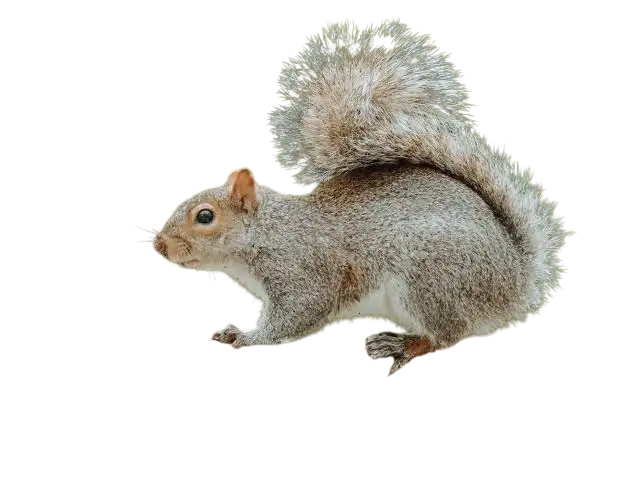
Eastern Gray Squirrel
Sciurus carolinensis is a medium-sized, tree dwelling rodent with gray fur, a bushy tail, and sharp claws for climbing. Native to North America, it has been introduced in some parts of South Africa. Active during the day, it feeds on nuts, seeds, fruits, and occasionally insects. Known for its energetic behavior, it stores food for winter and can often be seen scampering along tree branches or foraging on the ground.
They are not nativeor endemic to South Africa, diurnal, not dangerous, common and they are not a threatened species – view IUCN red list (LC)
Fun Fact!
Eastern Gray Squirrels are master food hoarders, they bury hundreds of nuts each season and often rely on their incredible memory (and keen sense of smell) to find them later!
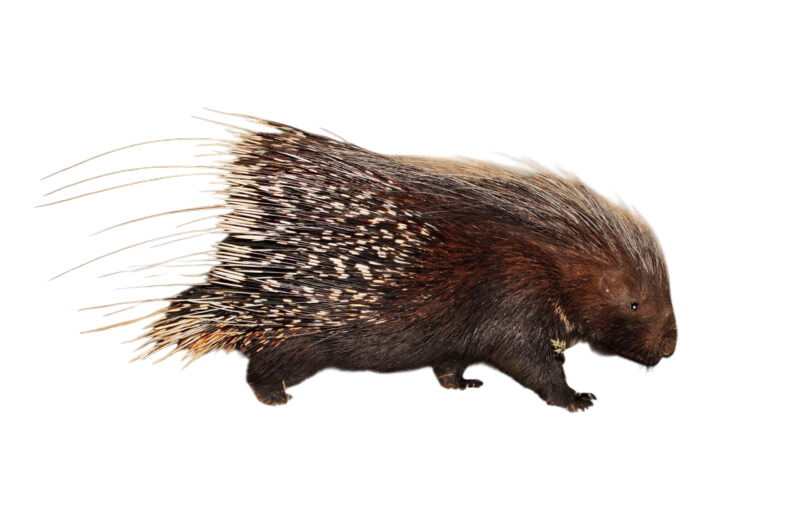
Cape Porcupine
Hystrix africaeaustralis is a the largest rodent in Africa, covered in long, sharp quills used for defense against predators. Typically nocturnal, it forages at night for roots, bulbs, fruits, and bark. Despite its intimidating appearance, it is docile and poses little threat to humans. Found across southern Africa, it prefers rocky areas, savannas, and woodlands, often sheltering in burrows or under dense vegetation during the day.
They are native to South Africa but not endemic, nocturnal, not dangerous unless provoked, secretive and they are not a threatened species – view IUCN red list (LC)
Fun Fact!
Cape Porcupines can rattle their quills when threatened, creating a warning sound that deters predators before they even get close! They are also nocturnal, meaning they are active at night!