


CAF
Birds
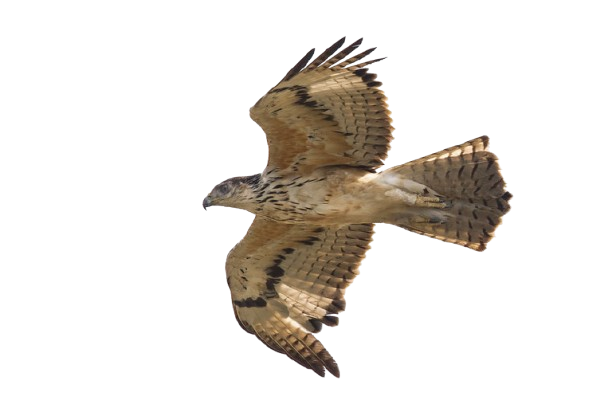
Forest Buzzard
Buteo trizonatus is a medium sized raptor with brown upperparts, a pale, streaked underside, and a short, broad tail. Typically seen soaring or perched quietly in forests and woodland edges, it hunts small mammals, birds, and reptiles. Mostly secretive, it prefers dense habitats, making it less conspicuous than other buzzards.
They are native and endemic to the Western Cape, diurnal, not dangerous, not common, and they are a threatened species – view IUCN red list (NT)
Fun Fact!
Forest Buzzards are highly territorial, pairs often defend the same area for years, using soaring displays and calls to warn intruders, even though they are usually hard to spot in dense forests!
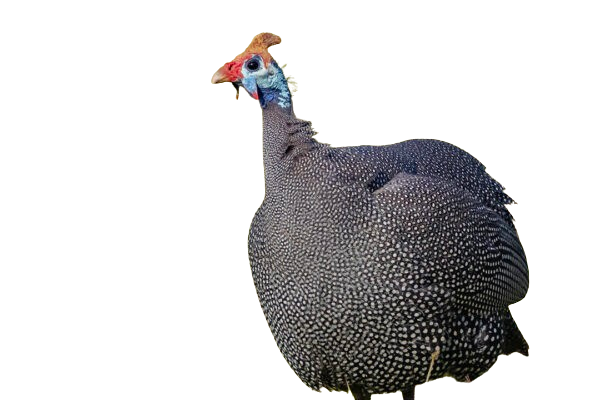
Helmeted Guineafowl
Numida meleagris is a noisy, ground dwelling bird easily recognised by its spotted grey body and bluish, helmet like head. They move in groups, often running rather than flying, and are common in farmlands, savannas, and suburbs. Known for their loud calls and for eating insects, seeds, and small creatures.
They are native to South Africa but not endemic, diurnal, not dangerous, common and they are not a threatened species – view IUCN red list (LC)
Fun Fact!
Helmeted Guineafowl are excellent “alarm systems.” When they spot a predator, even far away, they let out loud calls that warn not just their own flock, but other animals nearby too!
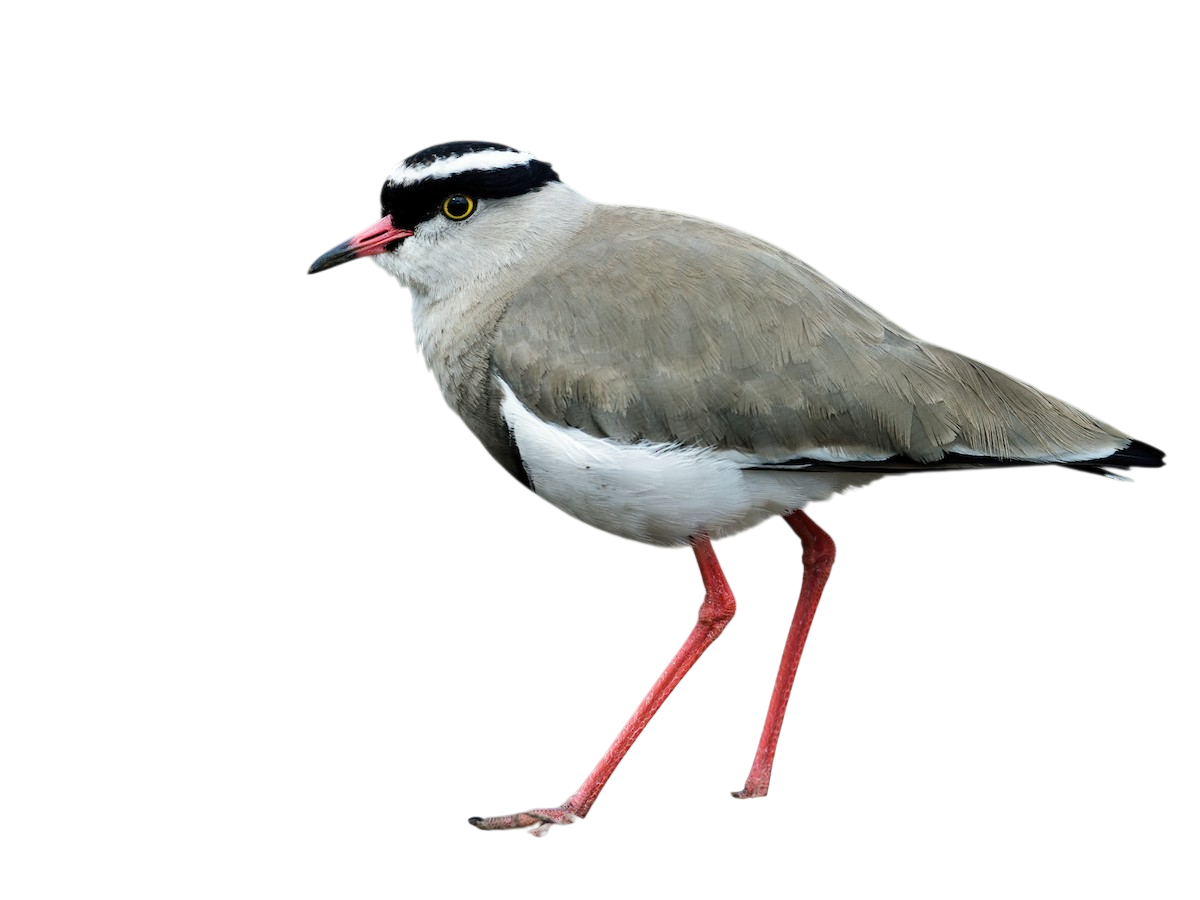
Crowned Lapwing
Vanellus coronatus is a slim, long-legged wader easily recognised by its bold black and white “crown” on the head and sharp, alert stance. Often seen in open grasslands, sports fields, road verges, and farmlands. Known for its loud, rapid “kree-kree-kree” call and its habit of aggressively defending its nest by swooping at intruders.
They are native to South Africa but not endemic, nocturnal, dangerous if provoked, common and they are not a threatened species – view IUCN red list (LC)
Fun Fact!
Crowned Lapwings sometimes pretend to be injured, dragging a wing and calling loudly, to lure predators away from their hidden nest or chicks. It’s a clever “decoy” trick to keep their young safe!
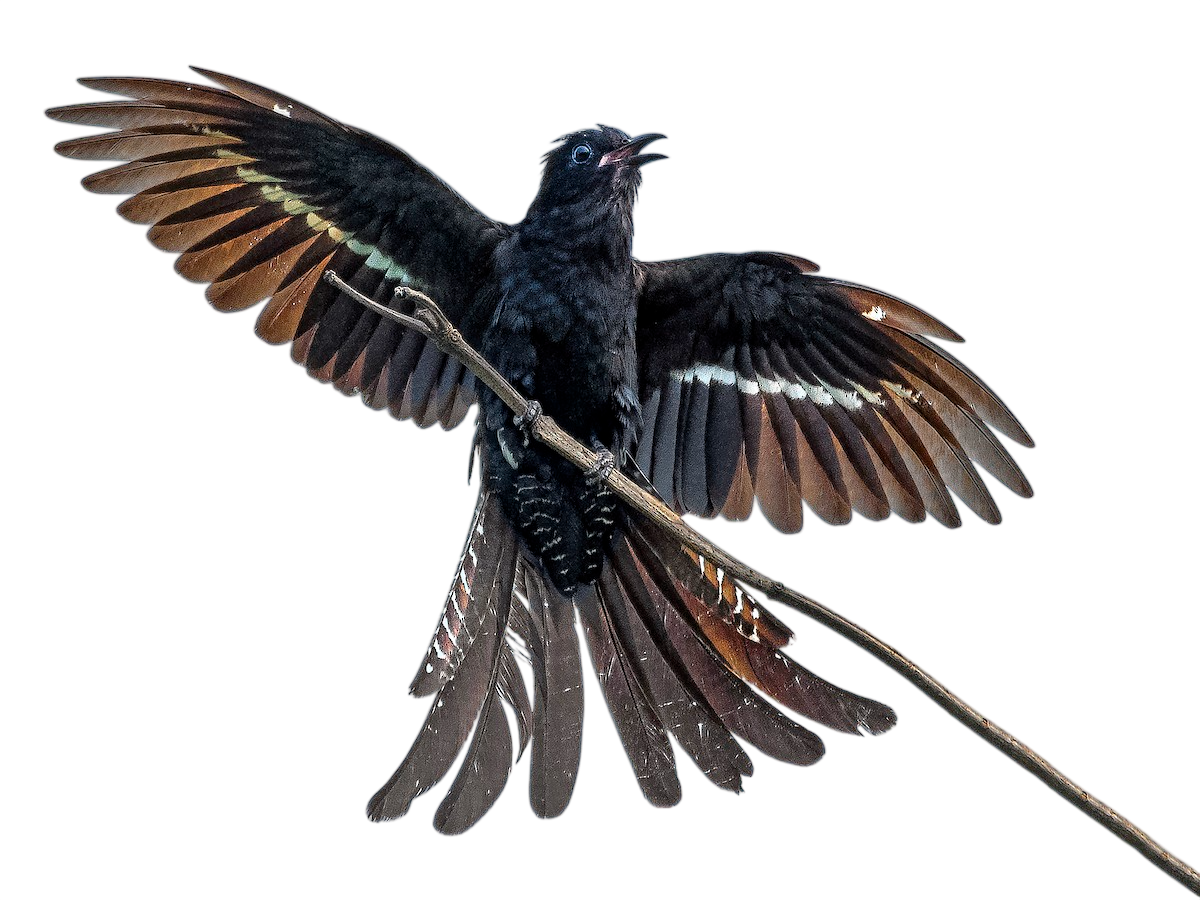
Fork-tailed Drongo
Dicrurus adsimilis is a sleek, black bird with a distinctive forked tail and shiny, glossy feathers. Known for its mimicking ability, it can imitate calls of other birds and even some mammals. It often perches while watching for insects, which it catches in mid air. Common in woodlands, savannas, and gardens across southern Africa.
They are native to South Africa but not endemic, diurnal, not dangerous, fairly common and they are not a threatened species – view IUCN red list (LC)
Fun Fact!
Fork-tailed Drongos are small fearless defenders of their territory they will attack much larger birds or animals, including baboons and jackals, to protect their nests or food!
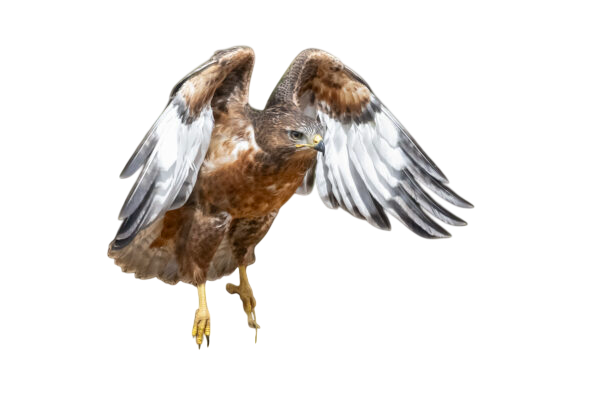
Jackal Buzzard
Buteo rufofuscus is a striking, medium to large raptor recognised by its blackish upper parts, rich chestnut belly, and contrasting white chest band. Often seen perched on poles or soaring in wide circles over open landscapes. Commonly found in South Africa’s mountains, grasslands, and farmlands.
They are nativeand endemic to South Africa, diurnal, not dangerous, and they are not a threatened species – view IUCN red list (LC)
Fun Fact!
The Jackal Buzzard’s call is so similar to a black-backed jackal’s yelp that filmmakers often use the buzzard’s call in movies when they want a “wild Africa” sound, even when no buzzard is on screen!